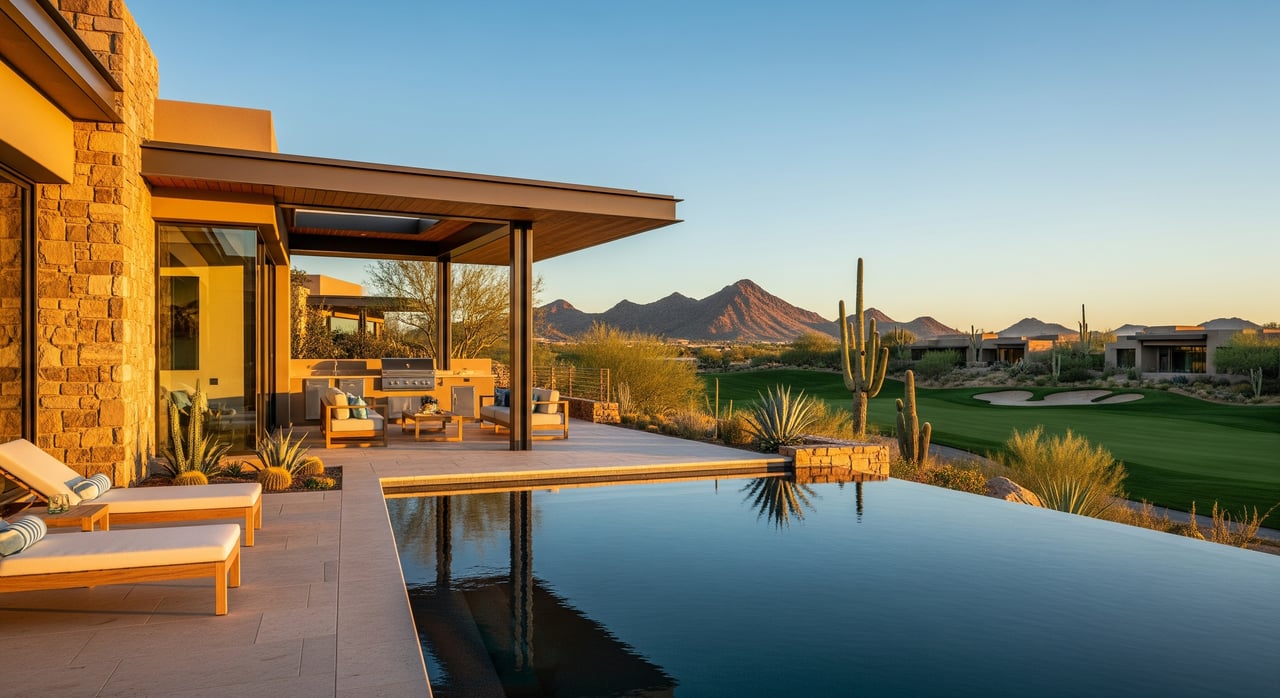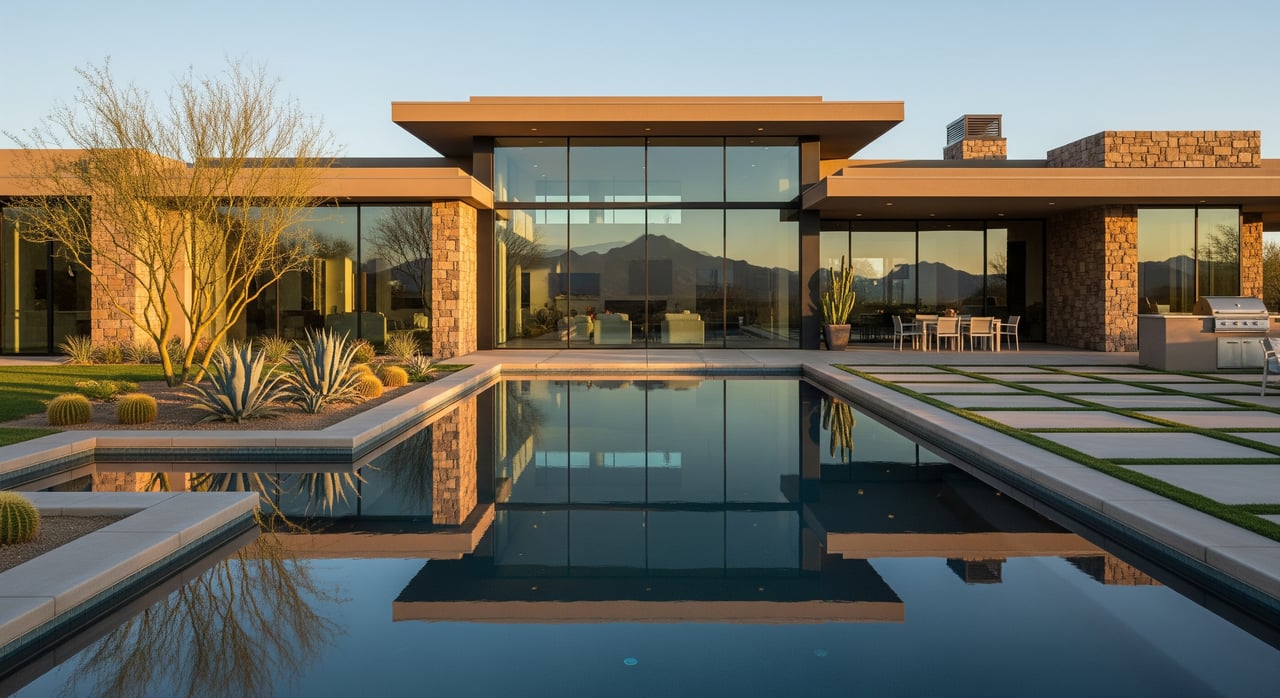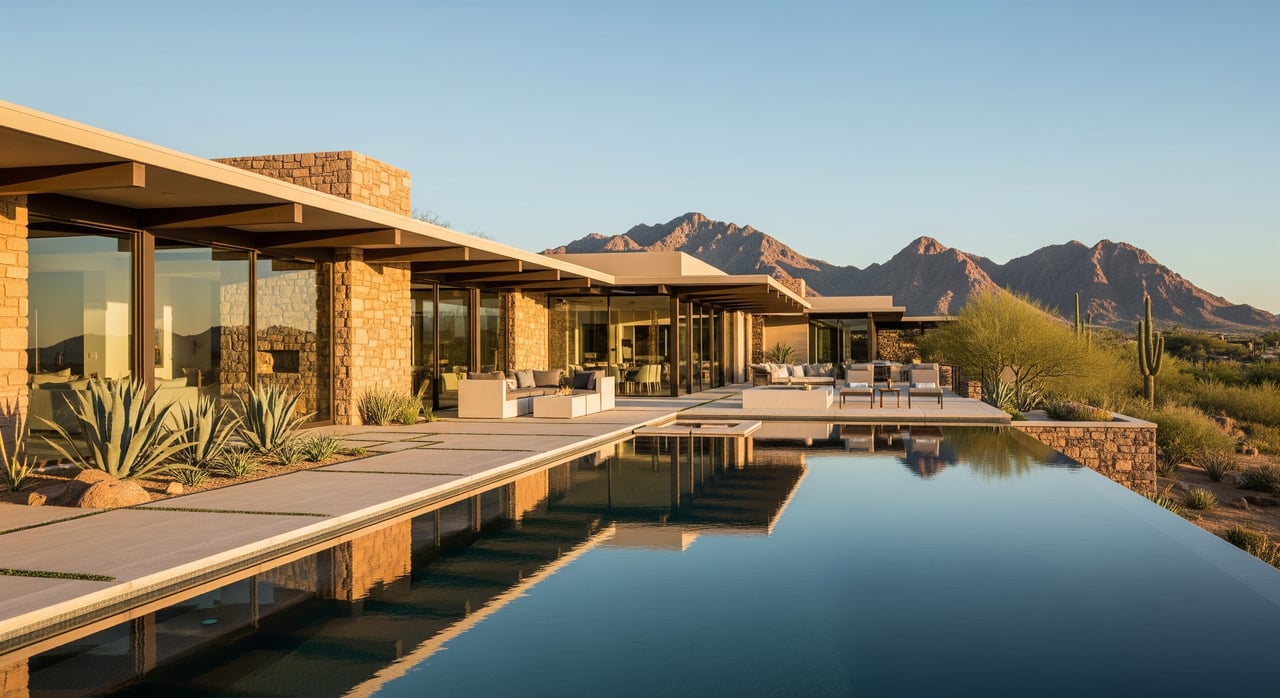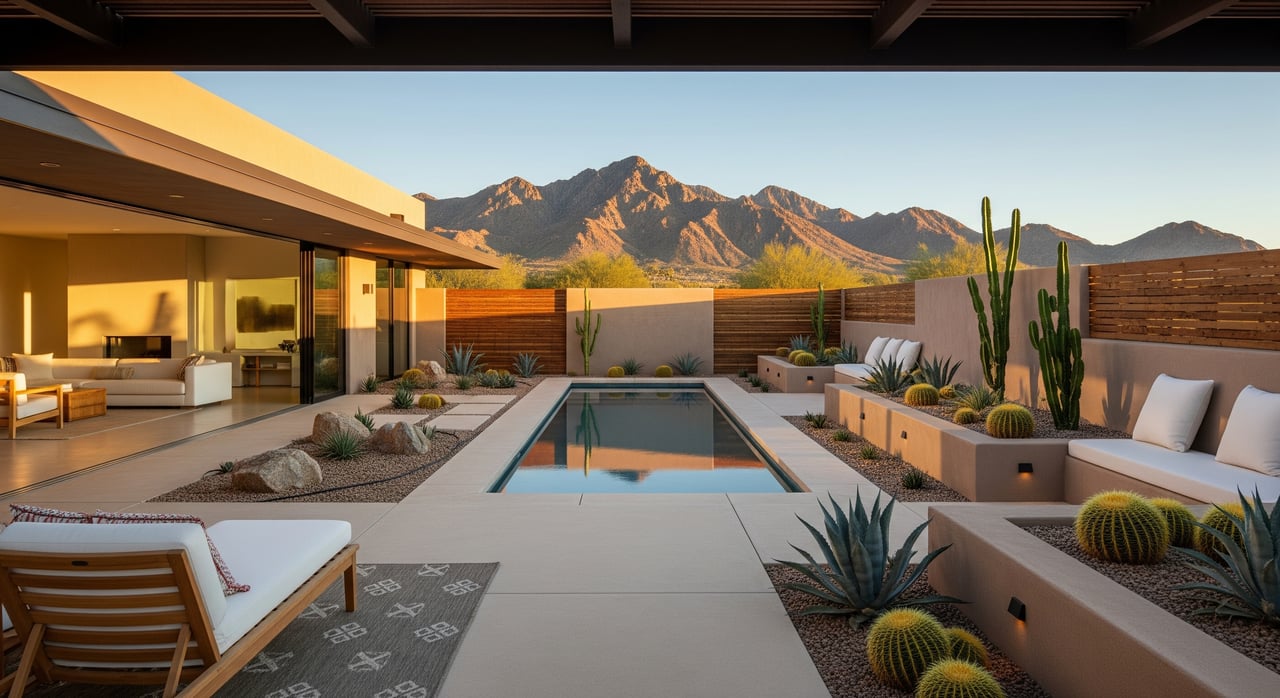
Scottsdale living should feel cool, comfortable, and effortless, even when summer temps cross 100 degrees. If you are shopping for a home here, the right desert-ready features can lower your bills, protect your investment, and make outdoor spaces usable most of the year. In this guide, you will learn which features matter most in our climate, what to ask during showings, and how to think about long-term value. Let’s dive in.
Why desert-ready features matter in Scottsdale
Scottsdale sits in the Sonoran Desert, where summers are long and hot and winters are mild. Cooling is the largest driver of electricity use, so the right energy features can meaningfully reduce costs. Water is also a regional priority due to long-term drought and Colorado River constraints, so efficient landscapes and fixtures matter.
Monsoon season brings short, intense storms, which means homes need good drainage and durable exterior finishes. Outdoor living is part of the Scottsdale lifestyle, yet comfort comes down to shade, orientation, and smart cooling strategies.
Energy and HVAC essentials
High-efficiency, right-sized AC
Your HVAC system does most of the heavy lifting in summer. Look for high-efficiency equipment that is correctly sized, with sealed and balanced ductwork. Oversized or undersized systems cycle poorly, cost more to run, and feel less comfortable.
Ask for the system’s age, SEER rating, recent service records, and refrigerant type. Verify that any replacement or major repair had proper permits and final inspections.
Insulation and radiant barriers
Attic heat drives up cooling loads. Adequate insulation and a radiant barrier can reduce heat transfer into living spaces and help your AC run less. Proper attic ventilation is critical for performance and longevity.
During showings, confirm attic access and look for consistent insulation coverage. Ask your inspector to check for ventilation, signs of past condensation, and evidence of pests.
Windows and strategic shading
Solar heat gain through glass is a big factor, especially on west and east exposures. Low‑E windows, insulated frames, and shade screens reduce summer heat while keeping rooms bright. Structural shade from covered patios, deep eaves, and pergolas also helps.
Note the home’s orientation and the age of windows. If available, ask about U‑value and Solar Heat Gain Coefficient for a sense of performance.
Smart comfort controls and fans
Ceiling fans improve comfort so you can set the thermostat a bit higher. Smart thermostats help you manage time‑of‑use rates, pre‑cool efficiently, and control settings remotely. These simple features can make the home feel cooler without spiking bills.
Solar PV, batteries, and EV readiness
Rooftop solar can offset high summer electric use. Owned systems typically add more resale value than leased arrangements. If a home has solar, confirm ownership status, system size, production data, inverter warranty, and interconnection approval. Keep copies of permits and all warranty documents.
Batteries are gaining interest for backup power and time‑of‑use savings. If you plan to add a battery or an EV charger, check the electrical panel size, available breaker space, and whether any upgrades were recently completed.
Water‑wise landscapes and systems
Xeriscaping and native plant palettes
Low‑water landscapes fit the climate, reduce irrigation needs, and look natural in Scottsdale. Native plants, mulch, and rockscapes limit evaporation and maintenance. Professionally designed landscapes with established plantings tend to show well and perform better.
If the yard was recently converted, expect a short establishment period. Ask for any design plans or plant lists, which help with long‑term care.
Smart drip irrigation
Weather‑based or soil‑moisture smart controllers and drip irrigation can dramatically cut outdoor water use compared with traditional spray heads. Automation also helps you adjust run times seasonally.
Request the controller brand and model, wiring details, and any irrigation maps. Keep the owner’s manual so you can fine‑tune schedules through the year.
Turf and artificial grass
Natural turf is water‑intensive in our climate. Artificial turf saves water but absorbs heat, which can make surfaces warmer in peak sun. Quality varies, so evaluate the product’s warranty, infill type, and expected lifespan.
Confirm HOA allowances for turf or conversions. If the seller used any turf‑removal or landscape rebates, get copies for your records.
Water‑efficient fixtures and heaters
Inside the home, WaterSense fixtures and efficient appliances reduce daily use without sacrificing comfort. Tankless or high‑efficiency water heaters can improve performance and lower utility costs. These upgrades support regional conservation goals and often align with buyer expectations in newer homes.
Pools that fit the desert
Pools are common in Scottsdale and often top the wish list. They do add water and energy use, so efficiency matters. Look for variable‑speed pumps, pool covers that reduce evaporation, and automation that schedules filtration during off‑peak hours. Solar pool heating or heat pump options can extend the season with lower operating costs than gas in many scenarios.
Ask for pool service records, any leak history, the age of pumps and heaters, and when the surface was last replastered. Covers and shade structures can improve comfort, cut evaporation, and protect finishes.
Building materials and siting
Roofs tuned for heat
Light‑colored roofing materials can reflect heat, and tile roofs are common for durability in intense sun. Tile systems often last longer but still need periodic maintenance.
During inspections, look for cracked tiles, flashing details around penetrations, and adequate attic ventilation. Permits should document any re‑roofing or major repairs.
Durable exteriors and finishes
Stucco and UV‑stable paints must withstand sun, temperature swings, and monsoon rains. Expect routine maintenance like stucco patching and repainting on a normal cycle.
Check for cracking, prior repairs, and signs of water intrusion after storms. These items are frequent inspection notes in desert homes.
Orientation and passive shade
Homes that limit west and east glass reduce the toughest summer heat loads. Deep covered patios, pergolas, and strategically placed shade structures can make outdoor areas usable for more hours per day.
If you plan to add shade, confirm HOA guidelines and permit requirements before committing to a design.
Pest and vermin hardening
Desert living means planning for scorpions, rodents, and seasonal insects. Proper sealing at slab, doors, and vents helps. Screens and careful landscape placement reduce entry points.
Ask your inspector to look for gaps, compromised weatherstripping, and any evidence of pests.
Outdoor living that works year‑round
Shaded lounges and outdoor kitchens
Covered patios, vented outdoor kitchens, and overhead fans keep spaces comfortable longer. Shade is your best friend for furniture, surfaces, and people.
Ensure adequate electrical circuits for appliances and lighting. Quality materials that handle heat and UV will look better for years.
Misting systems and cooling tactics
Misters can boost comfort with targeted, short‑term use. They are less effective during humid monsoon periods and do increase water use.
If a home includes a misting system, check nozzle condition, water filtration, and whether lines are easy to maintain.
Lighting and entertainment power
Outdoor lighting, ceiling fans, and audio add function and safety. Confirm that exterior outlets are properly rated and protected, and that dedicated circuits exist for kitchens or heaters.
Safety, maintenance, and resilience
Wildland interface areas benefit from fire‑resistant plant choices and defensible space where appropriate. Monsoon downpours make drainage planning essential. Durable hardscape and properly sloped driveways help move water away from the home.
If backup power is important, evaluate battery readiness and panel capacity. Favor materials and systems that are easy to service, with readily available contractors and parts.
Resale, incentives, and rules
What holds value in our market
Owned solar systems generally contribute more to resale value than leases. High‑efficiency HVAC, good insulation, and smart energy features are increasingly visible in buyer preferences. Water‑wise landscaping can be a selling point, though aesthetic tastes vary.
Keep documentation organized. Energy certificates, warranty paperwork, manuals, and receipts help buyers and appraisers understand value.
Incentives to watch
Federal tax credits for solar and certain efficiency upgrades can improve project economics. Local utilities and water providers periodically offer rebates for smart controllers, efficient appliances, and landscape conversions. Programs change often, so verify current eligibility and terms before making decisions.
Permits and HOA considerations
Solar, pool work, re‑roofing, significant irrigation changes, and structural shade typically require permits. Request permit records and final inspection approvals from sellers. Many Scottsdale communities have HOA design rules that affect front‑yard appearance, landscape choices, and shade structures. State solar access protections limit outright bans on solar, but design review still applies. Always review the CC&Rs for the specific property.
Buyer checklist for Scottsdale homes
Documentation to request:
- Age, make, model, and maintenance records for HVAC, water heater, pool equipment, and any solar system.
- Permits and final inspections for major upgrades or replacements.
- Solar details: ownership or lease status, at least 12 months of production data, inverter and panel warranties, and interconnection paperwork.
- Irrigation controller model, wiring notes, and any landscape plans or rebate approvals.
- HOA CC&Rs and any recent architectural approvals.
Inspection priorities:
- HVAC performance, duct sealing, refrigerant type, and any leak history.
- Attic insulation levels, ventilation, and the presence of a radiant barrier.
- Roof tiles and flashing, stucco condition, and any signs of past water intrusion after monsoons.
- Pool equipment function, surface condition, and leak checks.
- Water pressure, irrigation zones, and obvious leaks.
- Electrical service capacity for solar, batteries, and EV charging.
Seasonal focus:
- Summer: verify cooling capacity and shaded outdoor comfort.
- Monsoon: check drainage paths, downspouts, and exterior seals.
- Winter: confirm heat operation and controls.
Quick questions to ask during showings:
- How old is the HVAC and when was it last serviced?
- Are the windows low‑E and when were they installed?
- What irrigation controller is installed and how is it programmed?
- Is the solar system owned, and can I see production data?
- What pool equipment is variable‑speed and how is it scheduled?
The bottom line
The best Scottsdale homes are built and equipped for the desert: efficient cooling, smart shade, water‑wise landscaping, and outdoor spaces that are comfortable most of the year. When you combine these features with solid maintenance records and proper permits, you get daily comfort and strong resale potential.
If you want a Scottsdale home that lives cool and looks stunning without surprise costs, let’s talk. Schedule a private consultation with Hayley Jamison for builder‑level guidance, on‑point feature evaluation, and a seamless purchase experience.
FAQs
What desert‑ready features should Scottsdale buyers prioritize?
- Focus on high‑efficiency HVAC, attic insulation and radiant barriers, low‑E windows with shade, water‑wise landscaping with smart drip irrigation, and owned solar where available.
How do owned and leased solar systems affect resale value?
- Owned systems generally add value and are simpler to transfer, while leases or PPAs can complicate sales unless they are transferable and attractive to buyers.
Are pools worth it in Scottsdale’s climate?
- Many buyers expect pools; efficient designs with variable‑speed pumps, covers, and smart automation reduce water and energy use while improving comfort.
Will artificial turf make my yard too hot?
- Artificial turf saves water but retains heat more than natural landscaping; higher‑quality products, shade, and thoughtful placement reduce surface temperatures.
Do I need permits for solar, shade structures, or irrigation changes?
- Solar, structural shade, pool work, and significant re‑roofing or irrigation modifications typically require permits; always verify city requirements and keep final approvals.
What documents should I request from the seller?
- Ask for maintenance records, permits and finals, solar ownership and production data, equipment warranties, irrigation maps, and HOA CC&Rs with any architectural approvals.