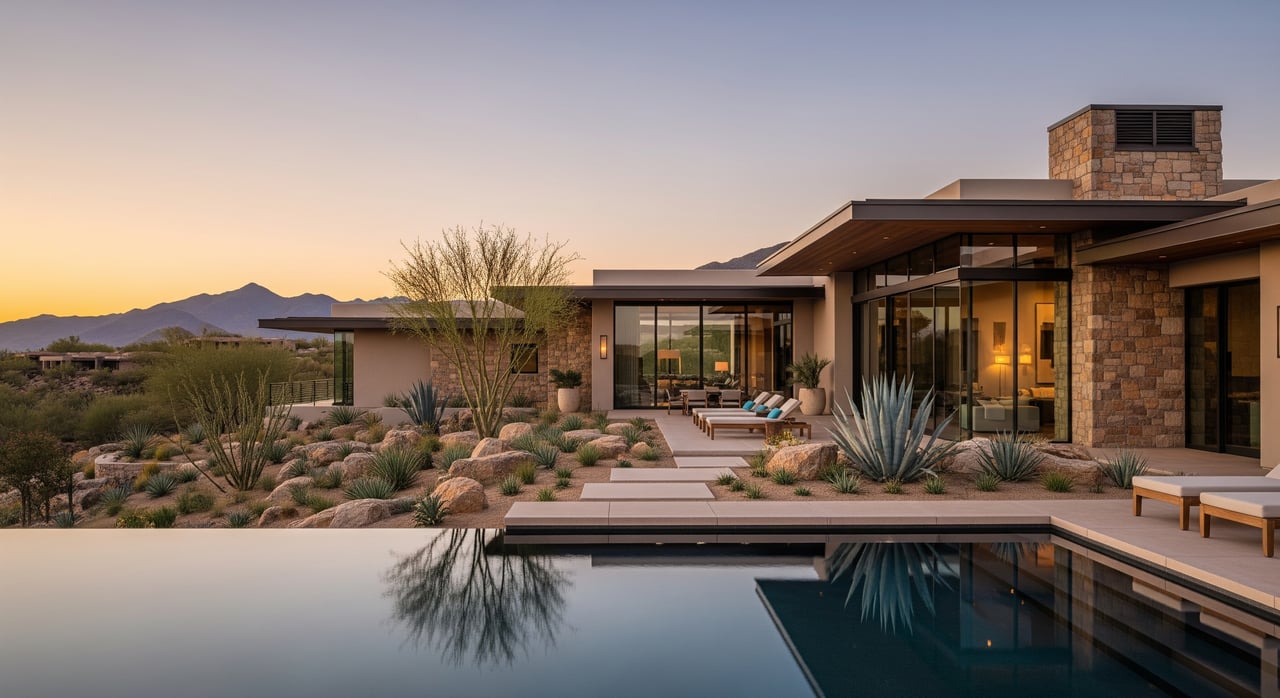
Thinking about buying a home in Scottsdale but not sure where to start? Between seasonal demand, HOA rules, and desert-specific inspections, the process can feel complex. You want a clear plan that protects you and gets you into the right home with confidence. This local guide walks you through the Arizona buying process, Scottsdale micro-markets, real costs, and the inspections that matter, so you can move forward without surprises. Let’s dive in.
Why Scottsdale stands out
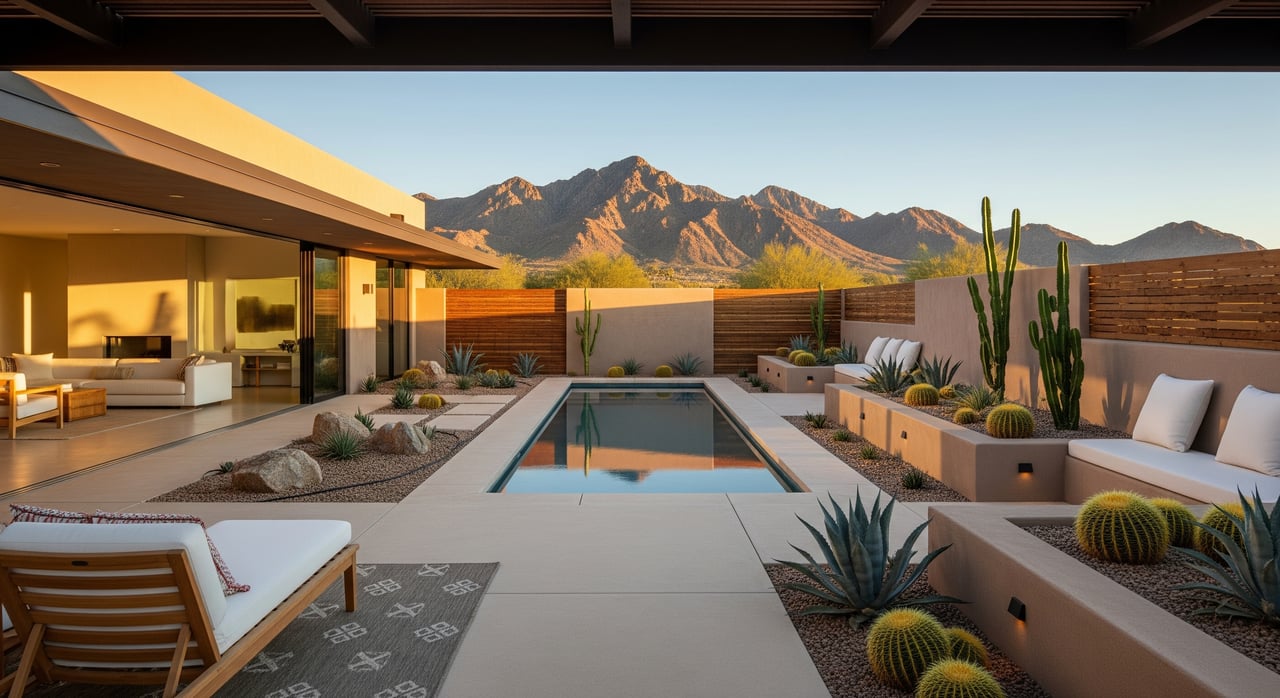
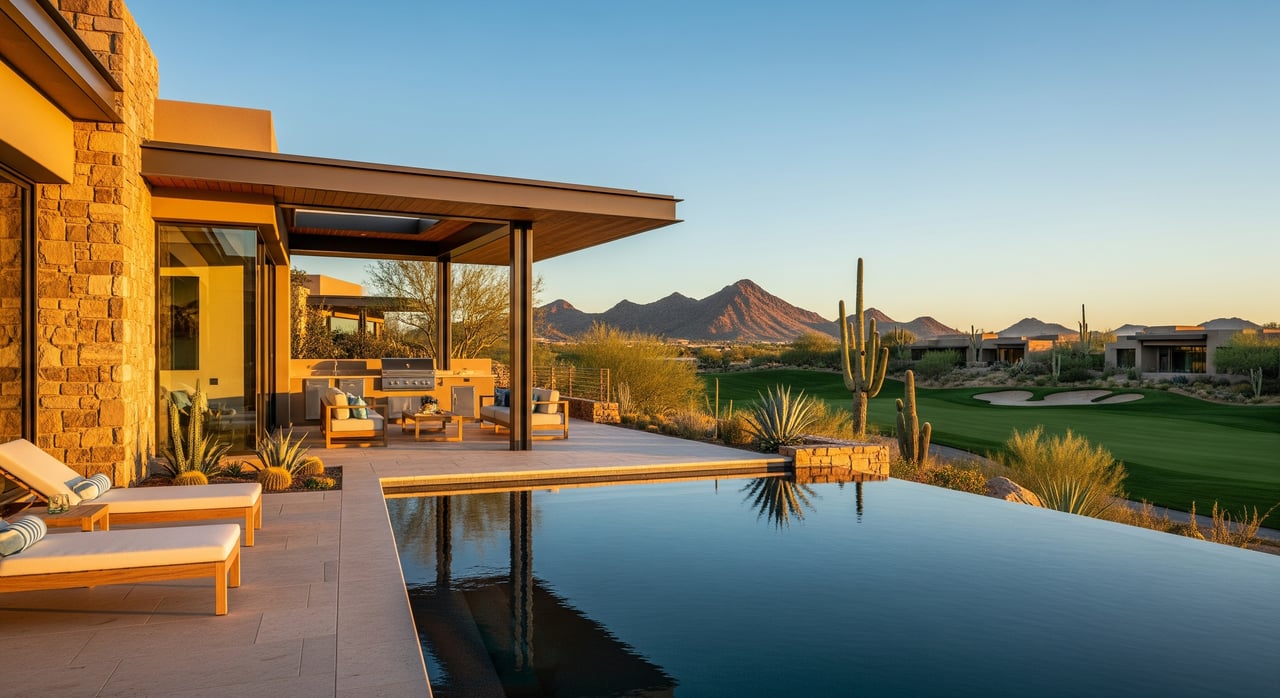
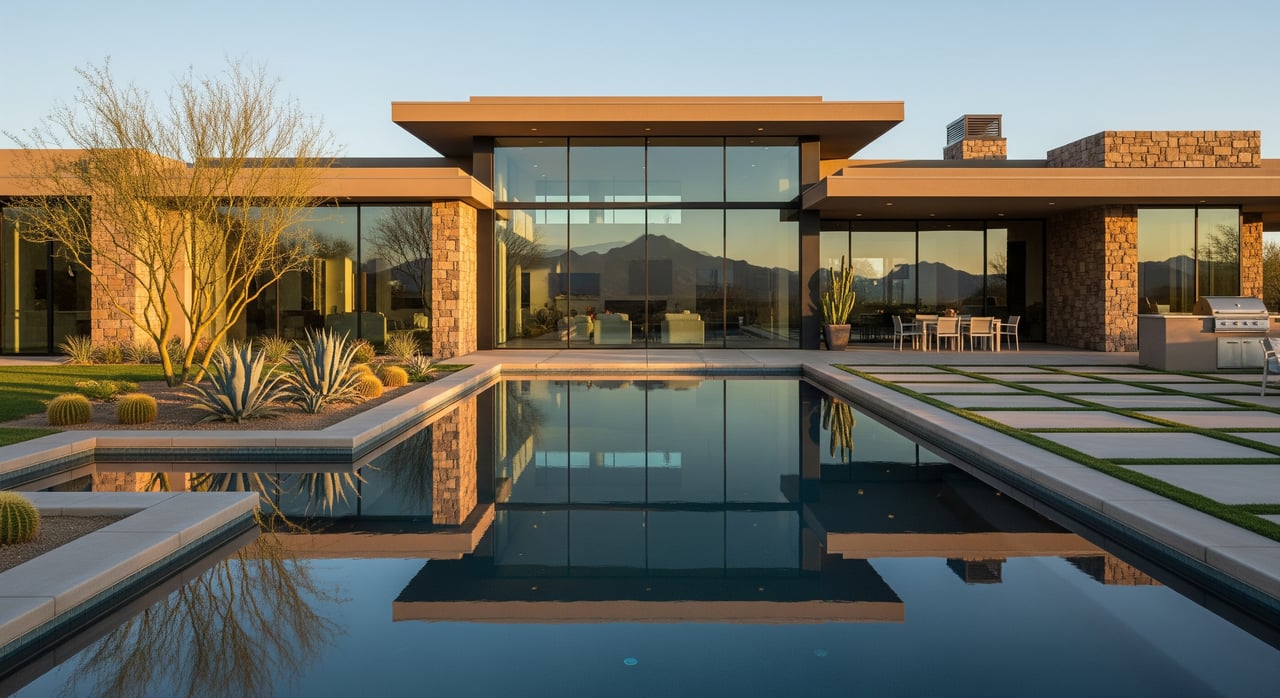
Scottsdale blends resort-style amenities with desert open space, golf communities, and a vibrant dining and retail scene in Old Town. You’ll find everything from walkable condos in downtown to executive homes in gated golf communities and custom estates in the McDowell foothills.
- Old Town and Central Scottsdale: walkable living, nightlife, condos, and smaller lots.
- South Scottsdale and the Shea Corridor: mid-market single-family homes with quick access to Loop 101.
- McCormick Ranch and nearby areas: lakes, parks, and established neighborhoods.
- Gainey Ranch, Grayhawk, DC Ranch, Troon, Desert Mountain: planned communities with amenities and HOAs.
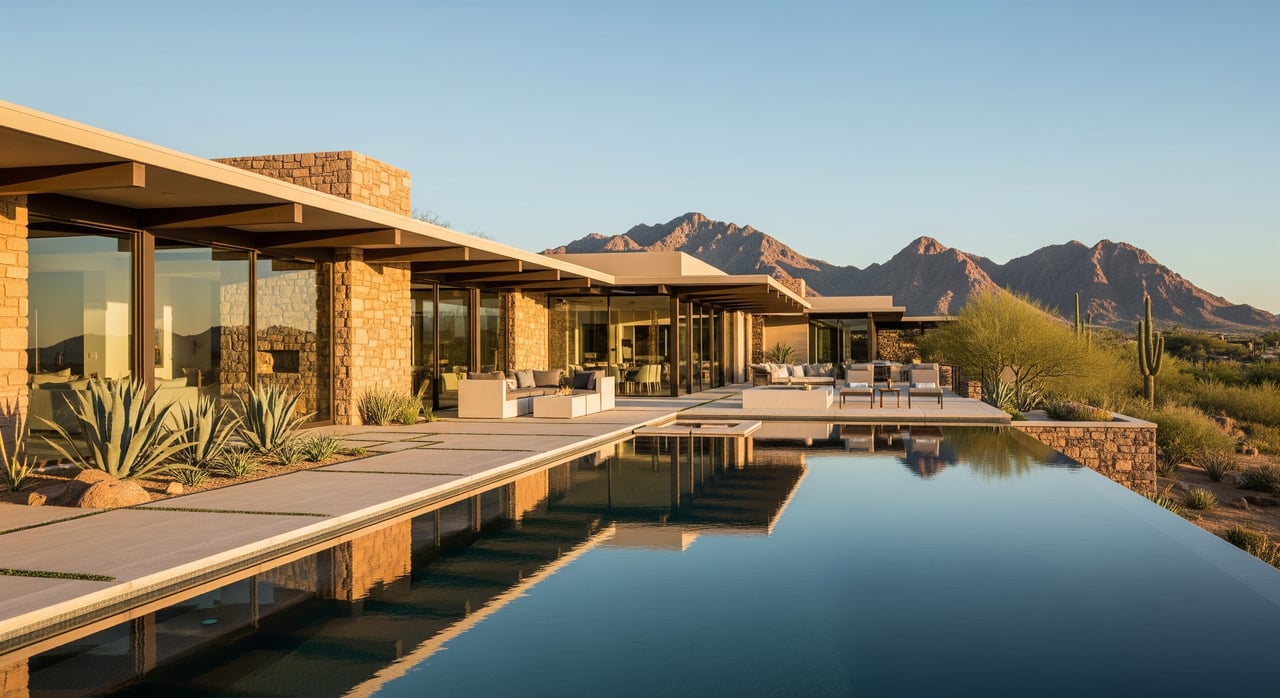
- North Scottsdale and the McDowell foothills: larger parcels, luxury, custom builds, and big views.
Micro-markets vary widely in price, HOA presence, lot size, and maintenance needs. Inventory changes fast, so align your search with current data from your agent and local MLS sources.
Know the seasonal rhythm
Winter months bring an influx of seasonal buyers, which can tighten supply and increase competition. Major events can also boost demand. If timing is flexible, you can tailor your search strategy around seasonality and property type to improve your negotiating position.
The Arizona buying process
Here is the typical flow when you buy in Scottsdale:
Financial prep and pre-approval. Check your credit and get a lender pre-approval before touring homes. This strengthens your offer and helps you move quickly.
Choose a local buyer’s agent. Work with an agent who knows Scottsdale neighborhoods, HOAs, and the Arizona contract. For consumer guidance and licensing details, review the Arizona Department of Real Estate.
Tour homes with your goals in mind. Decide if this is a primary residence, seasonal home, or investment. If you plan to host short-term rentals, review Scottsdale’s rules and required registrations on the city’s short-term rental regulations page before you buy.
Make an offer. In Arizona, buyers typically use the Arizona Association of REALTORS purchase contract or similar forms. Your offer will include price, earnest money, proposed closing date, and contingencies.
Open escrow and deposit earnest money. Once accepted, you open escrow with the title company named in the contract and deposit your earnest money. Amounts are negotiable and often around 1 to 3 percent of the purchase price.
Inspect and negotiate. Schedule inspections promptly and negotiate repairs or credits based on findings and the contract timelines.
Appraisal and underwriting. If you are financing, the lender orders an appraisal and completes underwriting.
Clear conditions and close. You finalize insurance, satisfy any final lender and title conditions, sign closing documents, and the title company records the deed.
A financed sale often closes in 30 to 45 days. Cash purchases can close faster, while new construction timelines vary by builder and stage.
What it really costs
- Closing costs. Plan for lender fees, title and escrow fees, recording fees, prepaids, and inspections. The combined total is commonly a few percent of the purchase price, but your exact number depends on loan type and negotiated terms.
- Transfer taxes. Arizona does not impose a statewide real estate transfer tax, though recording and other fees still apply.
- Property taxes. Arizona’s effective property tax rates have generally been below the national average. Actual taxes depend on assessed value and local districts. Review parcel-specific details with the Maricopa County Assessor.
- Earnest money. Negotiable, often 1 to 3 percent of the price, and typically held in escrow.
- HOA dues and assessments. Many Scottsdale communities have HOAs that charge monthly or annual dues. Always review documents for budgets, reserves, and any special assessments.
Inspections that matter in the desert
Desert climate and local construction styles call for targeted due diligence. Prioritize the following, scheduled quickly after acceptance:
- General home inspection covering structure, electrical, and plumbing.
- HVAC inspection to confirm capacity, age, and maintenance history.
- Roof inspection, especially for tile roofs and underlayment condition.
- Pool and spa inspection for equipment, shell condition, and leak checks.
- Pest inspection for subterranean termites and a WDO report.
- Sewer scope for older neighborhoods to check for intrusion or breaks.
- Exterior and grading review to confirm drainage for monsoon rains.
- Optional testing like radon or mold, if desired.
Expect future costs with older HVAC units, pool equipment, roof underlayment, and stucco maintenance. Use inspection results to negotiate repairs or credits.
HOA essentials
HOA rules, dues, and amenities vary widely across Scottsdale. In resale purchases, request HOA documents early in escrow. Review the resale certificate, CC&Rs, budgets, reserves, pending litigation, and architectural guidelines. Confirm any special assessments and design review requirements that affect exterior changes or landscaping.
Utilities and services checklist
Service providers differ by address. Before you write an offer, confirm the following and get rough cost estimates:
- Electricity provider: Check SRP or APS by address.
- Natural gas: Most areas use Southwest Gas.
- Water and sewer: Most homes use City of Scottsdale Water. Review rates, irrigation options, and conservation programs with City of Scottsdale Water Services.
- Trash and recycling: Confirm city or private hauler service and schedule.
If a property may be near washes or water features, confirm flood status using the FEMA Flood Map Service Center.
Insurance and risk considerations
- Homeowners insurance: Costs vary based on replacement value and features. Pools can affect liability coverage. Get quotes during your inspection period.
- Flood insurance: Required only if the home is in a designated flood zone and you use a federally backed loan. Verify with FEMA’s map.
- Wildfire and brush: Homes near foothills may have defensible-space guidance. Ask your insurance agent and local fire authority.
- Extra coverages: Consider coverage for pool liability, sewer backup, and an umbrella policy depending on your risk profile.
Financing options and assistance
Buyers in Scottsdale commonly use conventional, FHA, VA, and jumbo loans. Many higher-end properties require jumbo financing due to price levels. Conforming loan limits and rates change annually, so review options with your lender.
First-time buyers can explore state and local down payment assistance programs. Start with the Arizona Department of Housing for current programs and eligibility basics.
New construction and custom builds
New homes and luxury builds are common in North Scottsdale and master-planned communities. Here is what to confirm:
- Builder warranties. Many builders offer tiered warranties for workmanship, systems, and structural components. Verify actual terms in writing.
- Permits and inspections. Confirm permits were pulled and closed with the city. You can check procedures with City of Scottsdale Planning & Development Services.
- HOA and design review. Master-planned communities often have design guidelines and landscaping requirements. Review these before you commit.
- Timeline and selections. Understand construction milestones, finish selections, and any upgrade cutoffs that could affect delivery.
Water and landscaping choices
Scottsdale encourages water-wise landscaping and may have seasonal watering guidelines. If you plan to enhance outdoor spaces, review rates and conservation programs through City of Scottsdale Water Services. Drip irrigation, xeriscaping, and correct grading can improve efficiency and reduce maintenance.
Quick buyer checklist
Use this as your roadmap:
- Get lender pre-approval and compare financing options.
- Hire an experienced Scottsdale buyer’s agent.
- Research neighborhood details: commute patterns, HOA rules, flood maps, and utility providers.
- Include the right inspections and schedule them quickly after acceptance.
- Review seller disclosures and HOA documents early.
- Confirm permits for past renovations or additions.
- Get homeowners and specialty insurance quotes.
- Obtain a title commitment and consider owner’s title insurance.
- Complete a careful final walkthrough before closing.
Your next step
Buying in Scottsdale should feel intentional and informed. With a clear plan, local expertise, and strong negotiation, you can secure the right home on the right terms. If you want white-glove guidance, private showings, builder-savvy support on inspections, and turnkey help for second homes or investments, let’s talk. Schedule a private consultation with Unknown Company.
FAQs
What are the key steps to buy a home in Scottsdale?
- Get pre-approval, hire a local agent, tour homes, submit an offer, open escrow, complete inspections, finalize appraisal and underwriting, then close with the title company.
How do Scottsdale seasons affect home buying?
- Winter brings higher buyer traffic and tighter supply, so expect more competition; summer can be less competitive but show weather-related maintenance needs.
What inspections are most important for Scottsdale homes?
- Prioritize a general home inspection, HVAC, roof, pest/WDO, and a sewer scope; add pool and spa inspections or specialty tests as needed.
How much should I budget for closing costs in Arizona?
- Plan for a few percent of the purchase price to cover lender, title, escrow, recording, prepaids, and inspections, with final numbers based on your loan and negotiations.
Are property taxes high in Scottsdale and Maricopa County?
- Arizona’s effective rates are generally below the national average; verify parcel-specific assessments with the Maricopa County Assessor.
Do I need flood insurance in Scottsdale?
- Only if the property is in a designated flood zone and you use a federally backed loan; check the FEMA Flood Map Service Center for the home’s status.
What should I know about short-term rentals in Scottsdale?
- The city regulates short-term rentals and requires registrations; review the latest rules on Scottsdale’s short-term rental regulations page before you buy.